
No products in the cart.
10 Reasons Why ChiTea is the Gold Standard of Green Tea Extracts
Walk into any health food store, and you’ll find shelves lined with hundreds of green teas, all promising vitality, yet the scientific reality of green tea extract benefits depends on two factors: Purity and Potency.
Most commercial teas contain “dust,” pesticides, and industrial solvents. Here are 10 reasons why ChiTea remains the unsurpassed leader in liquid green tea science.
What Is Green Tea Extract and How Does It Work?
Green tea extract is a concentrated form of green tea made from the leaves of Camellia sinensis. It is processed to keep the plant’s polyphenol antioxidants, most notably epigallocatechin gallate (EGCG), so you get a consistent amount of catechins without drinking many cups of brewed tea.
Brewed tea varies with water temperature, steeping time and leaf quality. A standardized extract delivers a more consistent concentration of bioactive compounds. Among the catechins in green tea, EGCG is the most abundant and the most extensively researched, and it accounts for most of the extract’s antioxidant capacity.
EGCG acts as an antioxidant that helps neutralize free radicals, and research suggests it also supports the body’s own antioxidant enzyme systems. For a closer look at how the leaf is processed and why the method matters, see how green tea extract is made, or read the science behind it on our science of green tea extract page.
1. Clinical Potency (The 15-Cup Rule)
To achieve the longevity benefits seen in major Japanese and Chinese clinical studies, you would need to drink 15 to 20 cups of tea per day. This is physically impractical for most.
Dosage and Safety Considerations
Here’s where things get interesting (and a little tricky): while green tea extract is celebrated for packing as much punch as a strong cup of tea in a single serving, not all doses are created equal. The beneficial effects you read about, such as weight loss or improved heart health, are often linked to higher amounts used in clinical trials—sometimes well above what you’d sip from your daily mug.
Typical Dosage: Most green tea extract supplements contain anywhere from 250 mg to 500 mg per serving. For context, a single cup of brewed green tea has about 50–100 mg of catechins (the key antioxidants).
- Clinical Study Ranges: Some studies have used doses as high as 856 mg daily, but these amounts tread into the territory that researchers consider excessive, or even potentially toxic, especially for liver health.
- Safety First: Green tea catechins, when taken in large amounts, can overwhelm the liver. If you’re considering going above the “cup-equivalent” dose, it’s wise to have your liver function checked regularly—especially if you plan to take extract supplements long-term.
If You Have Caffeine Sensitivity or Heart Concerns: Many extracts are also robust in caffeine, sometimes up to 600 mg per serving—that’s a triple espresso’s worth. People with heart issues or caffeine sensitivity should consult their doctor before adding concentrated green tea extract to their wellness routine.
Bottom Line: While it’s tempting to chase the “more is better” philosophy, moderation is your friend here. Stick with supplement doses that mirror a few cups of green tea, and check in with a healthcare provider—especially if you’re eyeing higher doses or have underlying health conditions. Green tea extract is powerful, but it shouldn’t put your health at risk.
- The Chi Solution: One 30-drop serving of ChiTea concentrate is equivalent to 12–15 cups of standard green tea.
2. 95% Polyphenol Certification
Most liquid extracts on the market only claim 60% to 80% polyphenol levels. Explore standardized green tea extract science.
- The Chi Standard: Independent laboratory tests have certified that ChiTea contains greater than 95% polyphenols. We verify our potency with Alpha Labs.
3. 0.000 Pesticide Residue
It is a little-known fact that the USDA often requires imported tea leaves to be sprayed with pesticides upon entry.
- The Difference: ChiTea leaves are extracted on-site before they ever reach a shipping container. Alpha Labs has confirmed 0.000 pesticide residue in our final extract.
4. “Dust” vs. Whole Leaf
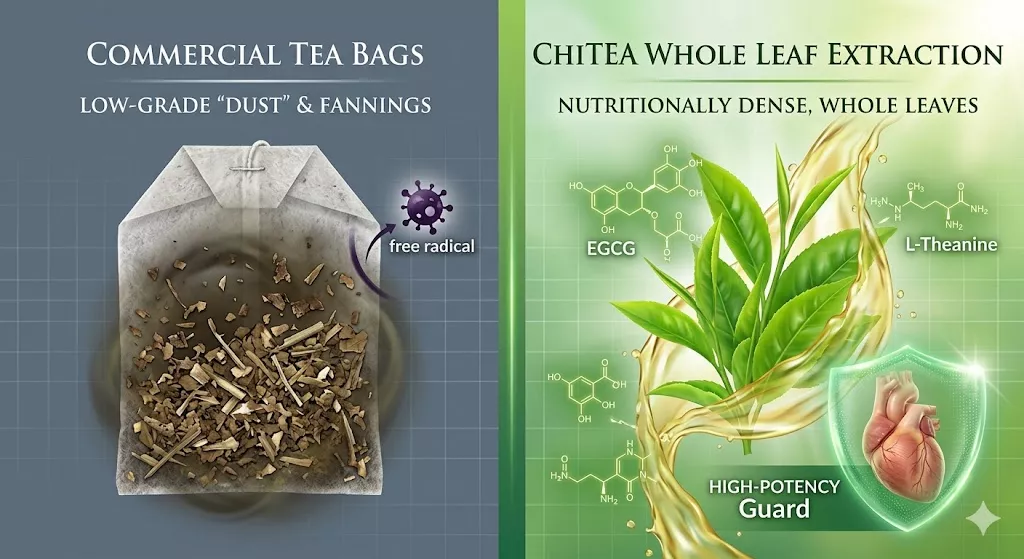
Teabags are the “hot dogs” of the tea world—filled with tea leftovers (dust and fannings) that remain after high-quality leaves are sifted out.
- The Chi Standard: We use only tender, young, whole leaves harvested at the peak of their antioxidant cycle.
5. Steam-Water Extraction (No Solvents)
Many extracts use hexane or alcohol, which damage catechins.
- The Chi Standard: Our proprietary steam-water process preserves the full spectrum of polyphenols while naturally removing excess caffeine.
Polyphenol antioxidants, especially catechins, make up the majority of green tea extract’s powerful antioxidant content. Notably, epigallocatechin gallate (EGCG) is the most studied catechin and is believed to deliver the most significant benefits. By safeguarding these delicate compounds through our gentle extraction method, ChiTea maximizes the antioxidant capacity of your green tea experience.
Research shows that green tea extract can support your body’s own antioxidant enzyme activity and help protect against oxidative stress—one of the root causes of cellular aging. With ChiTea’s steam-water extraction, you get the highest preservation of these clinically active compounds.
Green tea extract itself comes in several forms—liquid, powder, and capsules. Liquid extract dilutes easily in water, powder can be mixed into smoothies (though it carries a strong, distinctive taste), and capsules offer a flavorless option for a quick daily routine. ChiTea is a liquid concentrate by design: here is why we chose liquid over capsules.
6. State-of-the-Art Preventive Support
By enhancing the liver’s ability to detoxify, green tea acts as a foundational shield for your cellular health.
7. Superior Cardiovascular Defense
High-potency green tea helps prevent “sticky” platelets and supports the structural integrity of artery walls.
“…green tea is a superior antioxidant, highly effective at preventing the oxidation of bloodstream LDL and the resultant clogging of arteries.” — University of Scranton (Pa.)
8. Economical Longevity
: Because ChiTea is a professional-grade concentrate, one bottle lasts a full month of therapeutic use. It is a more cost-effective way to achieve clinical-level polyphenol intake than buying hundreds of expensive teabags.
9. Real-World Bioavailability
: Liquid extracts are absorbed faster and more efficiently than capsules. By the time a capsule dissolves in your stomach, many catechins have already degraded. ChiTea enters the system immediately.
10. The Zen Molecule (L-Theanine)
: Unlike coffee, which can cause jitters and cortisol spikes, ChiTea contains the rare amino acid L-Theanine. This promotes “calm alertness,” making it the perfect tool for modern stress management.
The above information is for educational purposes only. These statements have not been evaluated by the US Food and Drug Administration. This product is not intended to diagnose, treat, cure, or prevent any disease.
How Does Liquid Green Tea Extract Compare to Brewed Green Tea?
Drinking brewed green tea is a healthy habit, but the amount of EGCG in a cup changes with the leaf, the water temperature and how long you steep it. The table below compares brewed tea with a standardized liquid extract.
| Parameter | Brewed Green Tea | ChiTea Liquid Green Tea Extract |
|---|---|---|
| Format | Hot or iced beverage | Liquid concentrate added to water, juice or a smoothie |
| EGCG per serving | Highly variable; depends on leaf, water temperature and steeping time | 76 mg of EGCG per serving (Ultimate Green Tea Original), standardized |
| Caffeine | Typically 30 mg to 50 mg per cup | Caffeine free (99.9%) |
| Dosing control | Low; depends on how you steep it | High; measured by the dropper |
If you are weighing liquid against capsules, read our comparison of liquid green tea extract vs. capsules. To check what a supplement label should tell you, see the EGCG supplement guide, and for independent test results see our lab report.
Scientific Highlights from “The Green Tea Book”
- Prostate Health: Japan maintains some of the world’s lowest prostate cancer rates. Green tea consumption is also high throughout Japan.
- Stroke Prevention: Observational research has linked higher dietary polyphenol intake to a lower incidence of stroke.
- Metabolic Markers: Regular green tea consumption has been associated with healthier total cholesterol, LDL, and HDL levels.
- Brain Protection and Memory: The Neuro Shield Effect. Cognitive Defense: Modern research highlights that the antioxidants in green tea—especially the celebrated EGCG—offer more than just cardiovascular perks. They function as a shield for your brain cells, helping fend off oxidative stress that’s linked to cognitive decline, Alzheimer’s, Parkinson’s, and other neurodegenerative conditions. Heavy Metal Neutralizer: For those wary of environmental toxins, green tea polyphenols can reduce damage from heavy metals like iron and copper, both of which are notorious for accelerating age-related brain deterioration.Sharper Memory, Clearer Connections: Beyond defense, green tea extract is also linked to improved memory and better communication between brain regions. In clinical studies, participants who consumed green tea extract showed increased brain activity on functional MRI scans and performed better on memory assessments than placebo groups. Supporting Evidence: Research at respected institutions such as the University of Basel has noted these protective effects, reinforcing the traditional wisdom found across regions like Japan, where daily green tea habits correlate with impressive cognitive resilience into old age. Bottom line: For those seeking to maintain clarity, recall, and cognitive agility well into later life, the potent polyphenols in green tea extract provide science-backed neuroprotection and memory support.
- Can Green Tea Extract Help Reduce Muscle Fatigue and Shield Against Exercise-Induced Oxidative Stress? Green tea isn’t just fuel for your morning routine—it’s gaining attention among athletes and fitness enthusiasts for its recovery benefits. Here’s how: Intense exercise generates free radicals (yes, the mischievous molecules behind oxidative stress) that can zap your cells and accelerate muscle fatigue. The robust polyphenols in green tea, namely the catechins found in ChiTea, function as your body’s cellular clean-up crew, working overtime to neutralize these radicals during and after exercise. Recent research supports this effect: In controlled trials, participants who supplemented with green tea extract saw measurable increases in antioxidant defenses after just four weeks of regular training. Sprinters who added green tea extract to their regimen experienced less oxidative damage and improved recovery after repeated high-intensity bouts. Recreational runners found they could go farther—up to 11% more distance—after a month of green tea extract supplementation, a testament to reduced fatigue and sustained performance. Bottom line: Including a high-polyphenol green tea extract may help buffer your muscles against the wear and tear of exercise, support speedier recovery, and keep you one step ahead of gym fatigue.
- Green Tea Extract for Enhanced Exercise and Recovery: Green tea extract isn’t just a daily wellness ally—it’s also a secret weapon for active bodies. During strenuous activity, your muscles produce more oxidative stress, which can leave your cells tired, inflamed, or vulnerable to microscopic damage. Luckily, green tea catechins’ antioxidant power comes to the rescue. Rapid Recovery: Clinical studies with strength trainers and sprinters have shown that supplementing with green tea extract not only increases antioxidant protection but can also reduce markers of cellular stress after exercise. Less Muscle Fatigue: Athletes who added a green tea extract regimen experienced less fatigue during repeated workouts. The “Zen Molecule” L-Theanine, present in high-quality green tea, may further blunt those familiar post-workout jitters by promoting calm alertness. Improved Performance: In controlled research, active adults who used green tea extract for several weeks saw measurable gains—longer running distance and sustained activity—compared to those who skipped it. In short, whether your goal is faster recovery, less soreness, or a longer, stronger gym session, high-quality green tea extract provides real-world, science-backed support for your exercise goals.
- Green Tea and Blood Sugar: What the Research Shows. Numerous clinical and population studies provide compelling evidence that green tea polyphenols, particularly EGCG, play a meaningful role in promoting healthy blood sugar regulation and insulin sensitivity. Improved Insulin Sensitivity: In a controlled study, a group of healthy participants received a standard carbohydrate challenge along with green tea. The results? Those who took green tea showed noticeably better blood sugar tolerance within 30 minutes than the control group receiving a placebo. Positive Effects in Young Adults: Another investigation found that supplementing with green tea extract could boost insulin sensitivity by up to 13% among healthy young men—a promising result for those looking to keep metabolic markers in check. Meta-Analysis on Fasting Blood Sugar: Taking a broader view, researchers analyzed results from 17 separate clinical trials. Their findings showed that green tea extract consistently lowered fasting blood sugar and hemoglobin A1C levels (a long-term marker of blood sugar status) across diverse populations. Important Note: While these outcomes are promising, many studies involved participants with no underlying medical conditions, and sample sizes were often limited. If you have diabetes, take liver medications, or have underlying liver issues, consult your physician before supplementing. Green tea’s benefits for insulin and blood sugar are just one facet of its broader metabolic support.
- Important Considerations: Limitations of Green Tea Extract Studies. As with any scientific research, it’s crucial to look at what current studies can and cannot tell us—especially regarding blood sugar and green tea extract. Most clinical trials in this area have notable caveats: Small Sample Sizes: Many published studies tracked relatively few participants, which can limit how well the results apply to the general public. Healthy Participant Bias: Often, volunteers are healthy adults without complicating medical conditions. Since people living with diabetes or pre-existing liver concerns are frequently excluded, we don’t know how those groups might respond. Medication Interactions: For individuals already managing blood sugar with prescription drugs, there could be interactions—particularly since both green tea and certain medications may influence liver enzymes. Underlying Liver Health: Many people with blood sugar concerns also experience non-alcoholic fatty liver disease (NAFLD). This adds another layer of complexity, as liver function plays a vital role in how the body metabolizes both supplements and medications. In short, while early findings are promising, healthcare providers recommend monitoring liver enzymes and discussing new supplements with your doctor, especially if you’re managing a chronic health condition.
- Can Green Tea Extract Support Healthy Skin? Green tea isn’t just a powerhouse for your inner wellness—it can also support the look of your skin. ChiTea makes a liquid extract you take internally, not a cream or serum; the topical research described here is included for context, not as a description of our product. Supporting a Clearer, Calmer Complexion: Studies of green tea extract have reported visible reductions in the appearance of blemishes, and researchers have noted improvements in the look of redness and easily irritated skin when extracts are applied topically. Support Against Aging and Environmental Stress: Green tea polyphenols, famous for their antioxidant prowess, help the skin defend itself against common enemies: sun damage, inflammation, and the gradual loss of elasticity. In controlled trials, participants using green tea-infused creams for two months saw measurable improvements in skin firmness and resilience. Moisturizing and Restoration: Cosmetic science also tips its hat to green tea; when added to moisturizers and serums, it delivers a soothing, hydrating effect—ideal for fortifying your skin barrier under daily stress. Beyond the Basics: From Japan’s longevity traditions to high-end skincare labs in Europe, green tea extract has earned its place as a multi-tasking ingredient, supporting everything from smoother tone to protection against UV-related skin changes. In short, if you’re looking for a natural way to care for your skin—whether to support a calmer-looking complexion, soften the look of fine lines, or stave off environmental wear—green tea extract is a well-studied ally.
Read more about green tea benefits on Healthline, or how and why green tea helps you lose weight.
Frequently Asked Questions
How does liquid green tea extract compare to traditional tea bags? Most tea bags contain low-grade “dust” and fannings that have lost much of their antioxidant potency. ChiTea uses a proprietary steam-water extraction of whole leaves to ensure a standardized dose of 76 mg of EGCG (Ultimate Green Tea Original) and over 95% polyphenols per serving.
Is ChiTea completely pesticide-free? Yes. Unlike many imported teas that are sprayed with pesticides upon entry to the U.S., ChiTea is extracted on-site in the Far East. Independent testing by Alpha Labs has confirmed 0.000 pesticide residue in our final extract.
Does this extract contain caffeine? ChiTea is naturally decaffeinated using a pure water process, retaining only trace amounts of caffeine—less than 1% of a standard cup of tea. This provides a “calm alertness” without the jitters.
How do I use the liquid concentrate? Simply add 30 drops (one full squeeze of the dropper) to hot or cold water, juice, or your favorite smoothie. Because it is highly concentrated, one 2 oz bottle provides a full 30-day supply of clinical-grade antioxidants.
What is green tea extract? Green tea extract is a concentrated form of green tea that keeps the leaf’s polyphenol antioxidants, especially EGCG, in a standardized amount so you do not need to drink many cups of brewed tea.
What is the main active compound in green tea extract? The main bioactive compounds are catechins, a class of polyphenol antioxidants. Among them, EGCG (epigallocatechin gallate) is the most abundant and the most extensively researched.
Who should not use green tea extract or should exercise caution?
Are there any groups who should avoid green tea extract?
Yes. Individuals with diabetes should consult their healthcare provider before trying any green tea extract supplement. This is especially important if you are taking medications that impact liver function, or if you already have liver conditions, such as non-alcoholic fatty liver disease (NAFLD). Balancing liver health is crucial because these supplements can add stress to your liver, especially in sensitive populations.
Should I be concerned about supplement safety?
Absolutely—safety and purity are paramount. Because the FDA doesn’t regulate dietary supplements for potency or purity, choose green tea extracts that reputable labs like Alpha Lab have independently tested and certified. This ensures you’re getting exactly what’s on the label, without harmful contaminants.
Are there usage tips I should know?
Take your green tea extract with food, never on an empty stomach, and stay within the recommended dosage. Taking too much, or using it improperly, may potentially lead to liver issues.
Bottom line:
If you have a health condition, take prescription medications, or are unsure about starting a new supplement, consult your doctor. It’s always wise to err on the side of caution when introducing concentrated extracts into your daily routine.
What are the potential risks of taking too much green tea extract or using it on an empty stomach?
Follow the recommended serving instructions for any green tea extract. Taking an excessive amount—or using it on an empty stomach—can be harsh on your system, particularly your liver. Some studies and clinical case reports have suggested that high doses or taking green tea extract without food may increase the risk of liver irritation. For best results and safety, always combine your extract with a meal and avoid exceeding the daily suggested amount.
Topical vs. Supplemental Green Tea Extract: Skin Benefits
Whether you’re sipping your antioxidants or applying them directly to your skin, green tea extract offers benefits on both sides of the mirror. ChiTea’s Ultimate Green Tea is a liquid extract taken internally — the topical findings below come from cosmetic research on creams and serums.
Topical Application:
In creams and serums, green tea extract has gained attention for its ability to address common skin woes. Dermatologists and researchers have found that topical green tea extract may:
- Soothe the look of redness and visible irritation
- Support elasticity and resilience, combating the signs of early aging
- Provide a shield against UV-related skin damage, thanks to its army of polyphenols
In fact, small clinical trials have reported improved skin elasticity and fewer blemishes when green tea extract is applied daily for several weeks.
Supplement Use:
Taking green tea extract as a supplement works from within. Studies suggest that regular supplementation can:
- Support youthful-looking skin by fighting oxidative stress
- Support the appearance of clearer, more even-toned skin
- Potentially slow down the development of wrinkles or loss of firmness from the inside out
Both approaches offer unique (but complementary) benefits. Topical use tends to deliver more targeted relief for surface-level issues, while oral supplementation works systemically, reinforcing your skin’s natural defenses.
Bonus:
Adding green tea extract to cosmetic lotions doesn’t just provide antioxidant power—it can also up your hydration game, helping skin retain a healthy, plump appearance.
So whether you’re sipping your way to a glow or smoothing on some botanical backup, green tea extract is a versatile ally in the quest for resilient, healthy skin.
Pingback: EGCG & Phase II Detoxification | Systemic Clearance